





Malato esta el fijo del Rey
Alternative Title: "The Death of Prince Don Juan"
Yo so venida de Brusa
Alternative Title: “La kondenada del Pasha”, “Sentenciado del bajá”, “Kautivo del renegado”
Ventanas altas tyenes tu
Alternative Title: Ventanas altas tyenes tu, La kantiga de Hanum Dudu, Una noche yo me armi, Una noche yo passi
Durme, mi linda donzeya
Alternative Title: Durme, durme, Ermoza donzeya, La ermoza durmiente, La bella durmiente, La ermoza dunzelia
Biva biva Palestina
Alternative Title: La esperanza Palestina
La kaida de Aman
Alternative Title: La istoria de Aman i Mardokeo, Se vistiο la Reina Ester



All the categories
Endechas-laments
Folk songs
Love-wedding songs
Children’s songs
Historical songs
Religious festival songs
Zionist movement
All Songs
Jewish Music Tradition of Greece
from the Jewish Community of Thessaloniki
This study is the result of a long journey dedicated to culture and memory, and is based on the archive of Flora Molcho, daughter of Holocaust survivors from Thessaloniki, who generously donated it to the Jewish Community of Thessaloniki. The archive includes unique, authentic recordings of her parents, who tell stories and perform rare songs from the tradition of Thessaloniki. Through this material, some already known, but mainly rare and possibly unique songs of the Sephardic tradition, as it developed in Greece, are highlighted.
In addition, three important sources are used for the documentation of the material: Cancionero Sefardi by Alberto Hemsi, the work of Rabbi Michael Molho Traditions and Customs of the Sephardic Jews of Salonica, and the rich archive of the Turkish-Israeli journalist Moshe Saoul, which is housed at the Maale Adumim Institute. The songs are studied and compared in their different versions from various regions of Greece, such as Drama, Kavala, Rhodes, and Thessaloniki. They are classified both thematically (love, historical, religious, children's, etc.) and based on their lyrical form (kopla, kantiga, romansa, etc.). The translations are rendered accurately, mainly based on the dictionary of Joseph Nehama, with the contribution of Judeo-Spanish speakers from the Jewish Community of Thessaloniki. At the same time, an accurate rendering of the pronunciation of the lyrics is provided using the International Phonetic Alphabet (IPA). Finally, visitors have the option to download a lead sheet and perform each song easily.
The aim of the study is to offer musicians, researchers, educators, and other interested audiences a comprehensive understanding of each song: historical information, different lyrical versions, audio samples, access to key bibliographic sources, and musical guides based on the most complete recordings. Flora Molcho, a philologist who studied at Aristotle University and the University of Padua, taught Modern Greek for decades as a lecturer in Italy and Venice. As a translator of literary works and author of the autobiographical book In the Shadow of Memory, her life has always been a bridge between words and identities. Today, this experience inspired the research into the Sephardic musical tradition.
The overall curation of the project was carried out by researcher and scientific associate of the Jewish Museum of Thessaloniki, and PhD candidate at Aristotle University, Mariangela Chatzistamatiou, while the creation of the lead sheets, based on the audio archives, was undertaken by the musician Nikos Panagiotidis.


25 rare pieces from Flora Molcho's archive, on which the research on the app was based.
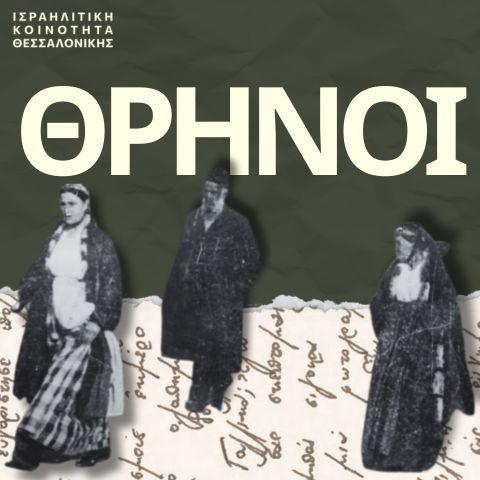
Long narrative songs, usually sung on the anniversary of the destruction of Solomon's Temple (Tisha be Av), the saddest day in the Jewish calendar.
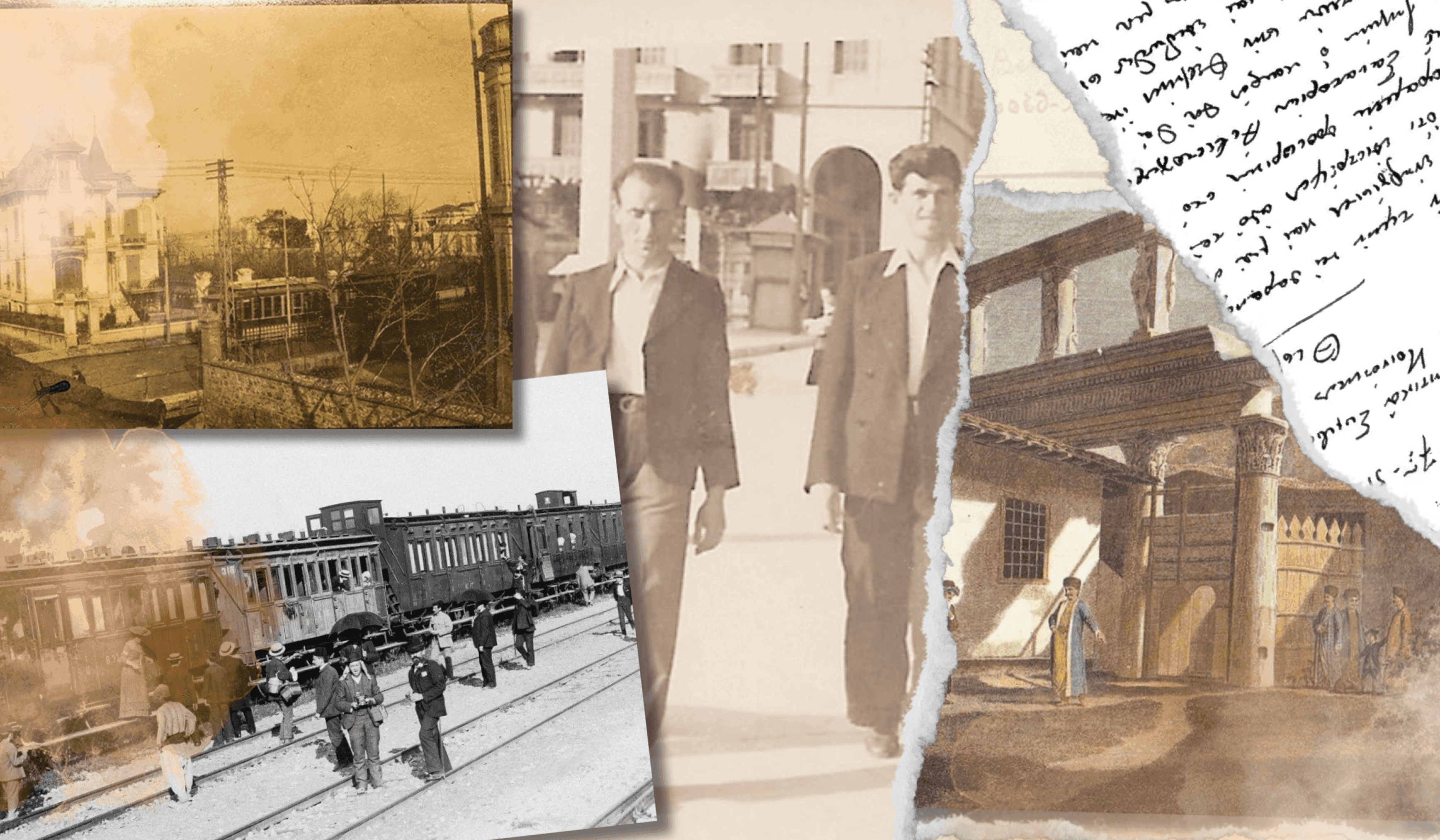
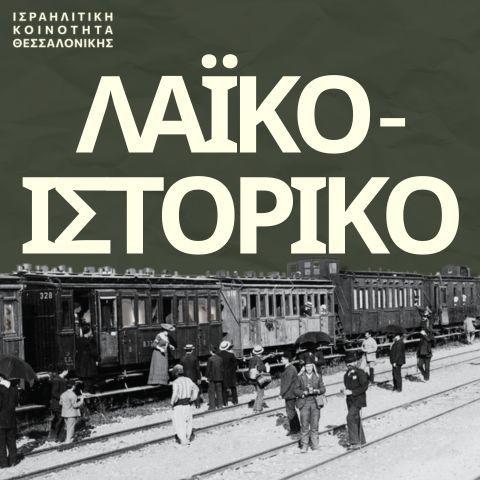
Secular songs that draw their themes from everyday life and from events in the life of each lyricist. They are sung spontaneously, without a specific occasion. Their style is reminiscent of Greek rebetika, where a song can be dedicated to a person from the creator's environment.
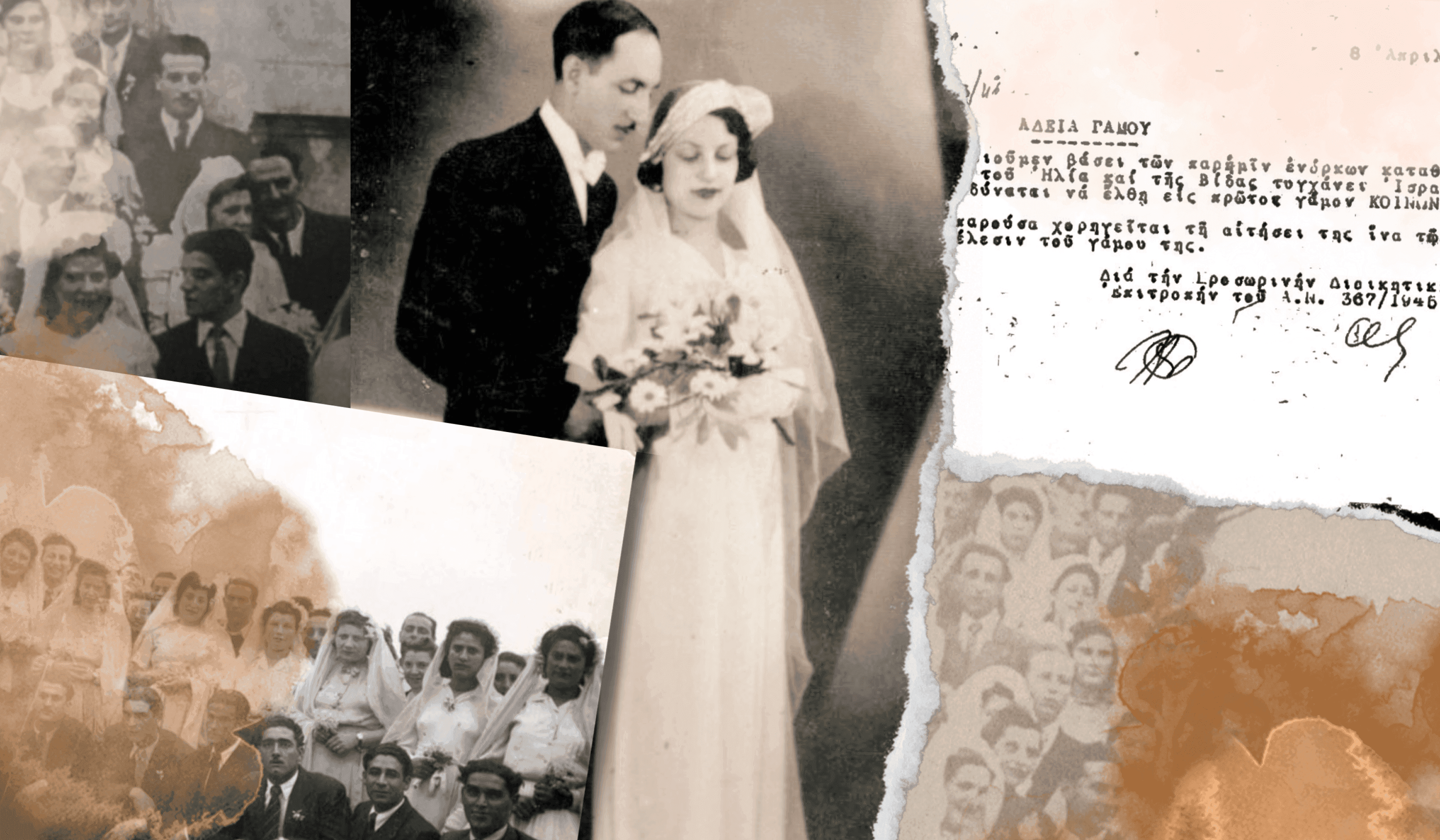
These songs express either romantic desire or erotic disappointment. They often take the form of a serenade, with tender confessions to the beloved, creating an atmosphere of nostalgia and longing.
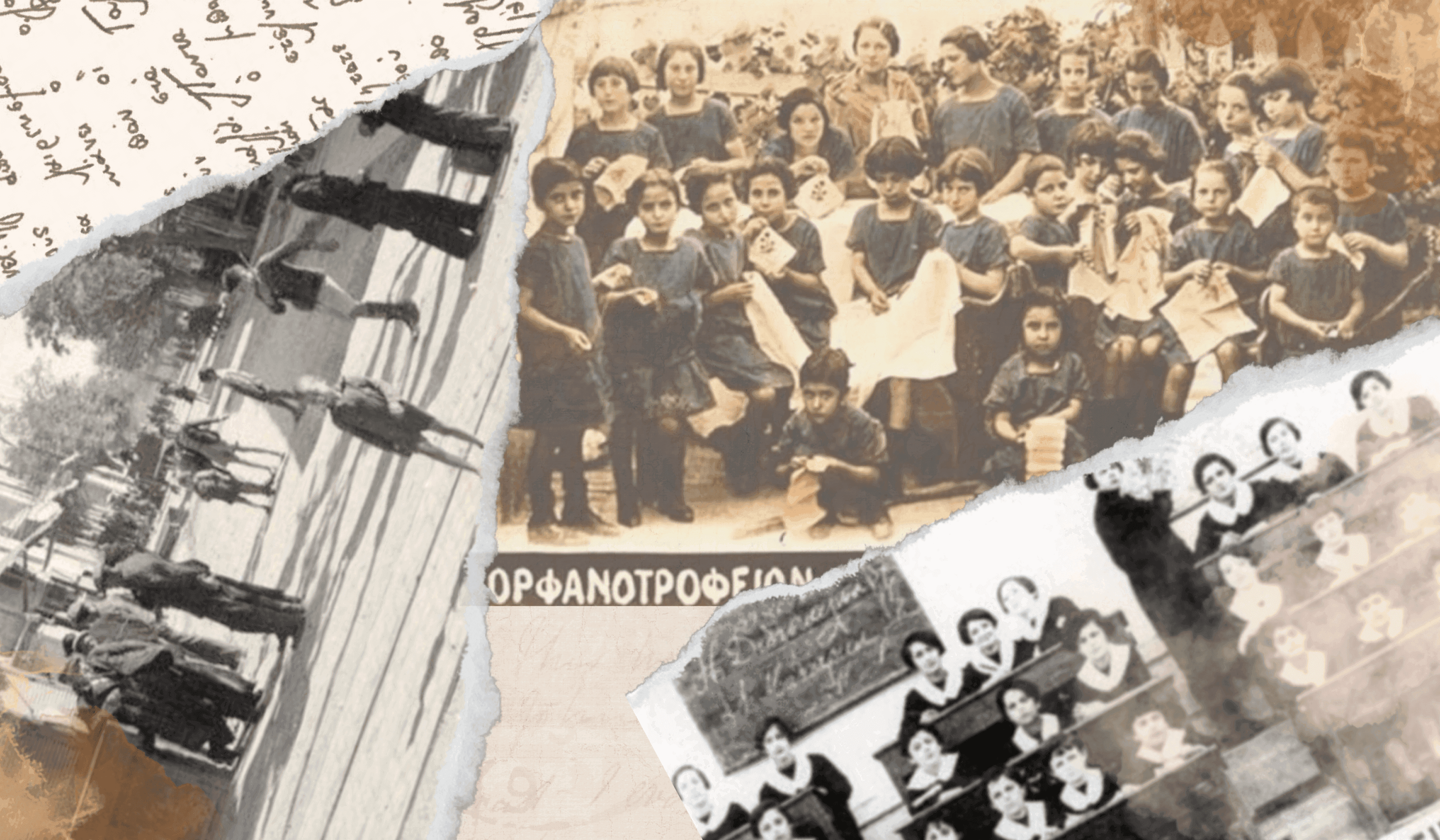
These include lullabies, songs for arrangements, and prayers for children. There are also songs sung by relatives on the birth of a boy or girl, as well as songs especially intended for the children themselves.
Songs with themes inspired by historical events. A typical example is "Incendyo de Saloniko", which refers to the great fire of Thessaloniki in 1917.
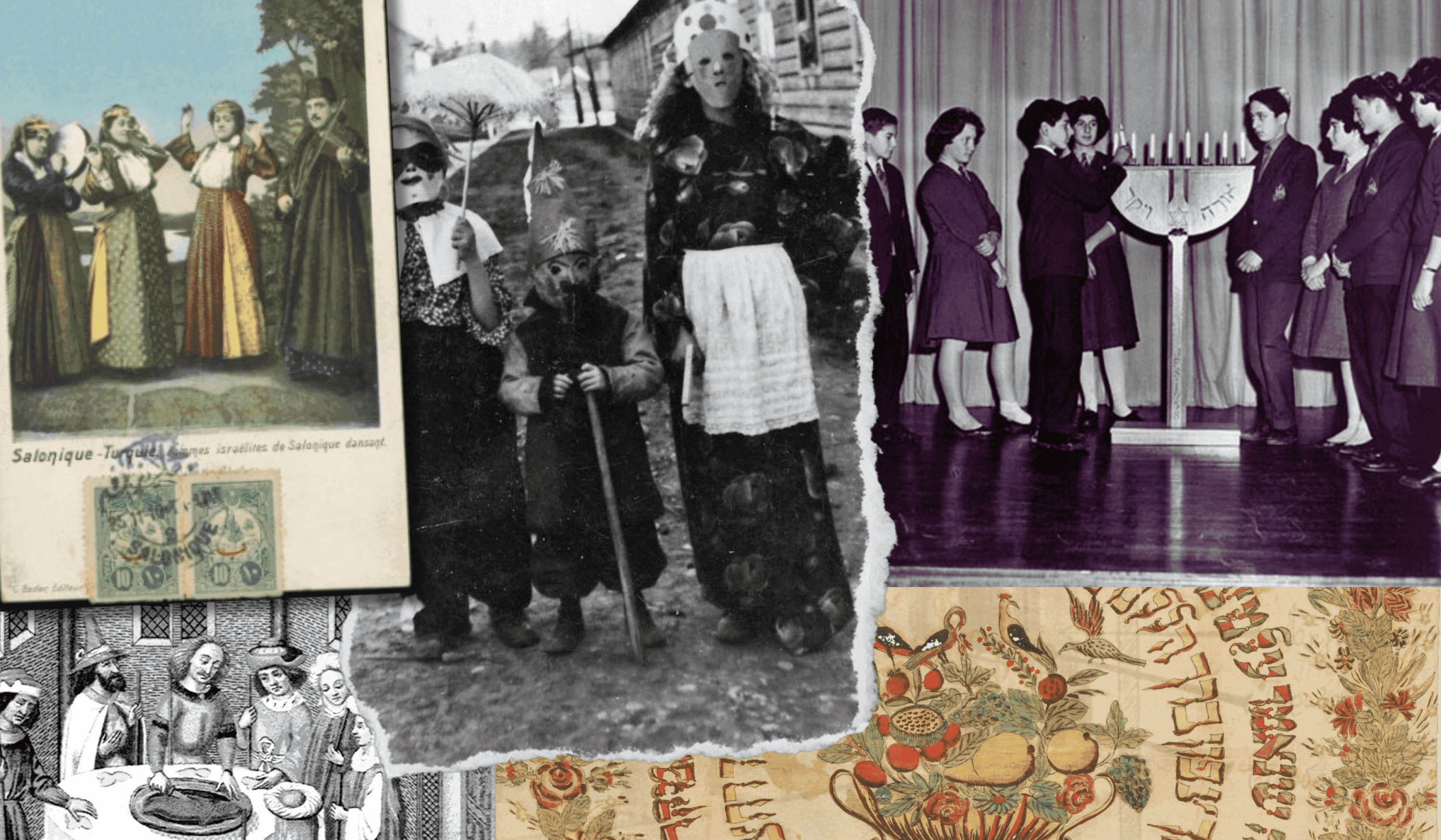
These are secular songs that accompany Jewish holidays such as Purim, Pesach, Hanukkah and Rosh Hashanah. They often draw their themes from the Hebrew Bible, with references to biblical figures and stories, such as the sacrifice of Abraham or the story of Queen Esther.
These songs reflect the hope and timeless longing of the Jewish people for a return to the land of Palestine and the establishment of the Jewish state. Despite their historical and political content, they are often light-hearted and are sung by adults and children alike.