





La kaida de Aman
Alternative Title: La istoria de Aman i Mardokeo, Se vistiο la Reina Ester
Description
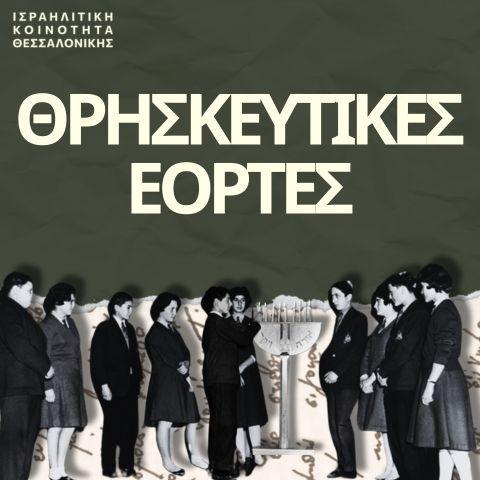
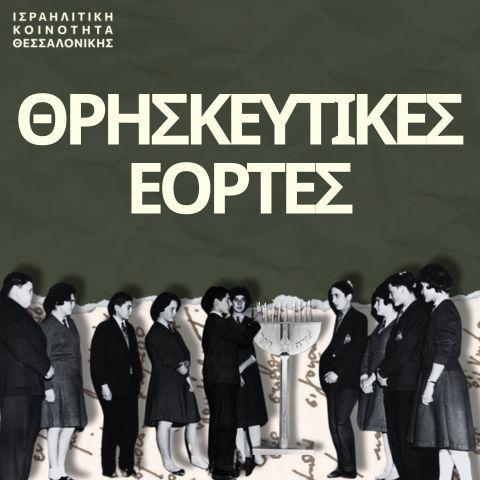
A song of the Purim celebration referring to Queen Esther. Purim is a Jewish holiday celebrated annually on the 14th day of the month of Adar (February–March according to the Jewish calendar). It is one of the most joyful festivals in Judaism and is characterized by a strongly festive and carnival-like atmosphere. The celebration is based on the biblical story of Esther, as recounted in the Book of Esther (Megillat Esther). According to the story, the king of Persia, Ahasuerus (Xerxes I), had an advisor named Haman, who hated the Jews and planned their extermination. Esther, a Jewish woman who had become queen of Persia, together with her uncle Mordechai, revealed Haman’s plot to the king. The king ultimately overturned Haman’s plan, and instead of the Jews, Haman himself was executed. Since then, Jews celebrate Purim as a day of deliverance and victory over their enemies. The name “Purim” derives from the word pur (פור), meaning “lot,” since Haman cast lots in order to determine the day on which he would carry out the genocide. Joseph Molho mentions that the celebration of Purim was accompanied by large feasts during which many songs were sung. One of these is the present song. This is a rare song that appears both in the Molho archive and in four recordings in the Maale Adumim archive. The song also appears in the Greek discography on the album edited by Nikos Tzannis-Ginnerup, Spanish Jewish Songs of Thessaloniki, performed by David Saltiel.
Version 1
La kaida de Aman
Archive of Flora Molcho. Molcho’s father, Isaac, first refers to the celebration of Purim and then, together with his wife Rita, they sing the song.
Alternative Title: La istoria de Aman i Mardokeo, Se vistiο la Reina Ester
Lyrics
Se vistyo la Reina Esther /se ˈvistjo la ˈrejna esˈteɾ/ Queen Esther got dressed
En el trazer dia /en el tɾaˈzeɾ ˈdia/ On the third day.
Vestida de su kolor /βesˈtiða de su koˈloɾ/ Dressed in her color.
Ke al oro paresia /ke al ˈoɾo paɾeˈsia/ Which resembled gold.
Kon grande manzia se fue ande el rey /kon ˈɡɾande manˈsia se fwe ˈande el ˈrej/ With great grace she went before the king.
El rey ke la vido venir /el ˈreɪ ke la ˈviðo βeˈniɾ/ The king who saw her coming.
Pedrio su tino /peˈðɾio su ˈtino/ Lost his composure.
A kolor del vino /a koˈloɾ del ˈβino/ And turned red like wine.
Ke es la tu venida Ester /ke es la tu βeˈniða esˈteɾ/ Why have you come here, Esther?
Ke es la tu demanda /ke es la tu deˈmanda/ What is your request?
Un kumbit kyero azer /un kumˈbit ˈkjeɾo aˈzeɾ/ I wish to organize a banquet.
En la tua kaza kon toda tu kompanya /en la ˈtua ˈkaza kon ˈtoða tu komˈpaɲa/ In your house with all your company.
I Aman tambyen /i aˈman tamˈbjen/ And Haman as well.
I tambyen kyero komer /i tamˈbjen ˈkjeɾo koˈmeɾ/ And I also wish to eat.
Kon ti en una meza /kon ti en ˈuna ˈmeza/ With you at one table.
Viva tu grandeza /ˈbiba tu ɡɾanˈdesa/ Long live your greatness.
I Aman s'emboracho /i aˈman semboɾaˈtʃo/ And Haman became very drunk.
I salio ahuera /i saˈlio aˈweɾa/ And went outside.
A los ninyos pregunto /a los ˈniɲos pɾeɣunˈto/ And asked the children.
Ke parasha era [2] /ke paˈɾaʃa ˈeɾa/ Which parasha are we in?
Disheron Vaera [3] /diˈʃeɾon βaˈeɾa/ They said: “Vaera.”
Vaera d'Aman /βaˈeɾa daˈman/ “Vaera of Aman.”
Alevanta Mordohai /aleˈβanta moɾðoˈhai/ Rise, Mordechai.
Suvet al kavayo /suˈβet al kaˈbaʝo/ Mount the horse.
Toma korona de rey /ˈtoma koˈɾona de ˈreɪ/ Take the king’s crown.
Entrate al banyo /enˈtɾate al ˈbaɲo/ Enter the bath.
Entrate al banyo yo te lavare /enˈtɾate al ˈbaɲo jo te laβaˈɾe/ Enter the bath and I will wash you.
I tambyen t’almisklare [1] /i tamˈbjen talmisˈklaɾe/ And I will also perfume you.
Yo ke se lejero /jo ke se leˈʒeɾo/ I who am swift.
No me puedo alevantar /no me ˈpweðo aleβanˈtaɾ/ I cannot rise.
Ke esto enflakezido /ke ˈesto enflakeˈzido/ Because I am weakened.
Tres dias aze kon oy /tɾes ˈdias ˈaze kon ˈoɪ/ For three days now, including today.
Ke no e kumido /ke no e kuˈmiðo/ I have not eaten.
Ni agua bevido /ni ˈaɣwa beˈβido/ Nor have I drunk water.
Yo i mis talmidim /jo i mis talmiˈðim/ Neither I nor my disciples.
Todo per modo de ti /ˈtoðo peɾ ˈmodo de ti/ All for your sake.
K’ el Dio ke te mate /kel ˈdio ke te ˈmate/ May God strike you down.
Ke los djidios eskapen /ke los ˈdʒidjos esˈkapen/ And may the Jews escape.
Amen /aˈmen/ Amen.
Version 2
La kaida de Aman
Archive of Flora Molcho. The song is performed by a group of women whose identities cannot be determined.
Alternative Title: La istoria de Aman i Mardokeo, Se vistiο la Reina Ester
Lyrics
Se vistyo la Reina Esther /se ˈvistjo la ˈrejna esˈteɾ/ Queen Esther got dressed
En el trazer dia /en el tɾaˈzeɾ ˈdia/ On the third day.
Vestida de su kolor /βesˈtiða de su koˈloɾ/ Dressed in her color.
Ke al oro paresia /ke al ˈoɾo paɾeˈsia/ Which resembled gold.
Kon grande manzia se fue ande el rey /kon ˈɡɾande manˈsia se fwe ˈande el ˈrej/ With great grace she went before the king.
El rey ke la vido venir /el ˈreɪ ke la ˈviðo βeˈniɾ/ The king who saw her coming.
Pedrio su tino /peˈðɾio su ˈtino/ Lost his composure.
A kolor del vino /a koˈloɾ del ˈβino/ And turned red like wine.
Ke es la tu venida Ester /ke es la tu βeˈniða esˈteɾ/ Why have you come here, Esther?
Ke es la tu demanda /ke es la tu deˈmanda/ What is your request?
Un kumbit kyero azer /un kumˈbit ˈkjeɾo aˈzeɾ/ I wish to organize a banquet.
En la tua kaza kon toda tu kompanya /en la ˈtua ˈkaza kon ˈtoða tu komˈpaɲa/ In your house with all your company.
I Aman tambyen /i aˈman tamˈbjen/ And Haman as well.
I tambyen kyero komer /i tamˈbjen ˈkjeɾo koˈmeɾ/ And I also wish to eat.
Kon ti en una meza /kon ti en ˈuna ˈmeza/ With you at one table.
Viva tu grandeza /ˈbiba tu ɡɾanˈdesa/ Long live your greatness.
I Aman s'emboracho /i aˈman semboɾaˈtʃo/ And Haman became very drunk.
I salio ahuera /i saˈlio aˈweɾa/ And went outside.
A los ninyos pregunto /a los ˈniɲos pɾeɣunˈto/ And asked the children.
**Ke parasha era [2] ** /ke paˈɾaʃa ˈeɾa/ Which parasha are we in?
Disheron Vaera [3] /diˈʃeɾon βaˈeɾa/ They said: “Vaera.”
Vaera d'Aman /βaˈeɾa daˈman/ “Vaera of Aman.”
Alevanta Mordohai /aleˈβanta moɾðoˈhai/ Rise, Mordechai.
Suvet al kavayo /suˈβet al kaˈbaʝo/ Mount the horse.
Toma korona de rey /ˈtoma koˈɾona de ˈreɪ/ Take the king’s crown.
Entrate al banyo /enˈtɾate al ˈbaɲo/ Enter the bath.
Entrate al banyo yo te lavare /enˈtɾate al ˈbaɲo jo te laβaˈɾe/ Enter the bath and I will wash you.
I tambyen t’almisklare [1] /i tamˈbjen talmisˈklaɾe/ And I will also perfume you.
Yo ke se lejero /jo ke se leˈʒeɾo/ I who am swift.
No me puedo alevantar /no me ˈpweðo aleβanˈtaɾ/ I cannot rise.
Ke esto enflakezido /ke ˈesto enflakeˈzido/ Because I am weakened.
Tres dias aze kon oy /tɾes ˈdias ˈaze kon ˈoɪ/ For three days now, including today.
Ke no e kumido /ke no e kuˈmiðo/ I have not eaten.
Ni agua bevido /ni ˈaɣwa beˈβido/ Nor have I drunk water.
Yo i mis talmidim /jo i mis talmiˈðim/ Neither I nor my disciples.
Todo per modo de ti /ˈtoðo peɾ ˈmodo de ti/ All for your sake.
K’ el Dio ke te mate /kel ˈdio ke te ˈmate/ May God strike you down.
Ke los djidios eskapen /ke los ˈdʒidjos esˈkapen/ And may the Jews escape.
Amen /aˈmen/ Amen.
Notes [1] almisklar means “to perfume with fragrant soap.” [2] parasha is a Hebrew word (פָּרָשָׁה) meaning “section” or “chapter” of a book of the Hebrew Bible (Tanakh), particularly of the Pentateuch or Torah. [3] Vaera (וָאֵרָא) means “…and I appeared.” It is the first word of the parasha in Exodus 6:3. In this passage of the Torah, God tells Moses to go to Pharaoh and demand freedom for the Israelites.
Version 3
La kaida de Aman
Maale Adumim Institute Database. Catalog number: 2725 https://folkmasa.org/avshir/shirp.php?mishtane=2725.
Performed by Yosef Bennun from Kavala. It is rare to encounter recordings originating from communities other than Rhodes or Thessaloniki, which usually dominate scholarly attention. For this reason, this recording is included here. It is also of lyrical interest, although it appears to be incomplete.
Alternative Title: La istoria de Aman i Mardokeo, Se vistiο la Reina Ester
Lyrics
Se vistio la reina Ester /se visˈtjo la ˈreɪna esˈteɾ/ Queen Esther got dressed
I del premer dia /i del pɾeˈmeɾ ˈdia/ And from the very first day.
Vestido de su kolor /vesˈtido de su koˈloɾ/ She wore a garment in her color.
Ke al oro paresia /ke al ˈoɾo paɾeˈsia/ Which resembled gold.
Kon grande manzia /kon ˈɡɾande manˈsia/ With great wisdom.
Se fue ande el rey /se fwe ˈande el ˈreɪ/ She went before the king.
El rey ke la vido venir /el ˈreɪ ke la ˈviðo βeˈniɾ/ The king, when he saw her coming.
Pedrio el tino /peˈðɾio el ˈtino/ Lost his composure.
I a kolor del vino /i a koˈloɾ del ˈβino/ And turned red like wine.
Ke es la tu venida Ester /ke es la tu βeˈnida esˈteɾ/ What is the purpose of your coming, Esther?
Ke es la tu demanda /ke es la tu ðeˈmanda/ What do you ask of me?
Un konbit kero azer /un konˈbit ˈkeɾo aˈzeɾ/ I wish to hold a banquet.
En la tuya kaza /en la ˈtuʝa ˈkaza/ In your house.
Az lo ke demandas /az lo ke deˈmandas/ Do what I ask of you.
Kon grande plazer /kon ˈɡɾande plaˈzeɾ/ With great pleasure.
Kombidar a todos los vezinos /kombiˈðaɾ a ˈtoðos los βeˈzinos/ Invite all the neighbors.
A komer i a bever /a koˈmeɾ i a beˈveɾ/ To eat and drink.
I trokar los vinos /i tɾoˈkaɾ los ˈβinos/ And exchange the wines.
Trokesh marochinos [1] /tɾoˈkeʃ maɾoˈtʃinos/ To exchange the sweets.
Az lo ke demanda Ester /az lo ke deˈmanda esˈteɾ/ Do what Esther asks.
[1] Marochinos are almond-based sweets that are usually eaten during the Jewish Passover. This word may be a later addition and, in any case, it does not fit well within the context of the present story.
Music Guide

 Bibliography
El Trezoro de Kantes de Sefarad. El Instituto Maale Adumim para la documentación de la lengua judeo-española y su cultura, folkmasa.org.
Nehama, Joseph. Dictionnaire du Judéo-Espagnol. Madrid: Consejo superior de investigaciones cientificas, 1977.
Research, analysis, translations and IPA transcriptions: Mariangela Chatzistamatiou Aural transcriptions and lead sheets: Nikos Panagiotides
Disclaimer: The content on this website is protected by copyright. Use of the content is allowed for personal or educational purposes only with clear citation of the source. Republishing, modifying, or using the content for commercial purposes is prohibited without prior explicit permission.

