







El insendyo de Saloniko
Alternative Title: La kantiga del fuego, Dia de Shabbat la tadre
Description
This is one of the best-known and most frequently recorded songs of Thessaloniki, and at the same time a rare document, as it functions as a testimony to the Great Fire of 1917. The song narrates the course of the disaster, which, as is known, began on a Saturday, and includes references to specific landmarks that are historically verified.
Isaac Molcho, in his narration, mentions that the great fire of August 1917, which destroyed almost the entire city, from the upper areas down to the White Tower (Beyaz Kule), inspired this song. In it, the creator attributes the catastrophe “to the wrath of God, because some young people of the new generation had somewhat strayed from the commandments of religion and smoked on the Sabbath. Lighting a cigarette, moreover, constitutes work,” as Isaac Molho states in his recorded account of the song.
In Greek discography, the song has been released in the albums Anoixi sti Saloniki by Savina Yannatou, Spanish-Jewish Songs of Thessaloniki performed by David Saltiel (edited by Nikos Tzannis-Ginnerup), and Unknown Musical Treasures of the Greek Jews by Mariantzela Chatzistamatiou and the Pellegrinaggio al Levante Ensemble.
Version 1
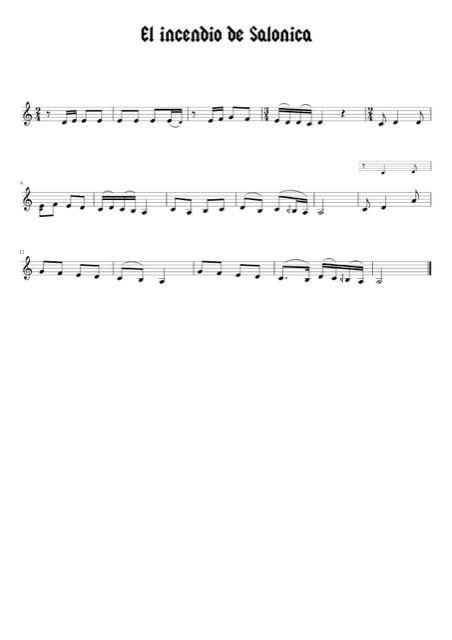
El insendyo de Saloniko
Archive of Flora Molcho. Performed by her parents, Isaac and Rita Molcho.
Alternative Title: La kantiga del fuego, Dia de Shabbat la tadre
Lyrics
Dia de Shabat, la tadre, /ˈdia ðe ʃaˈβat la ˈtaðɾe/ It was the Sabbath day, my mother,
la urika dando dos, /la uˈɾika ˈdando dos/ the little clock was striking two,
fuego salio al Agua Mueva [1] /ˈfweɣo saˈljo al ˈaɣwa ˈmweβa/ fire broke out in Agua Nueva,
a Beyazkule [2] kedo /a bejazˈkule keˈðo/ it reached the White Tower.
Las palombas van bolando /las paˈlombas βan boˈlando/ The doves are flying
azyendo estruision. /aˈzjendo estɾuiˈsjon/ making a commotion.
Las mosikas van yorando /las moˈsikas βan ʝoˈɾando/ The servant girls are crying
L' ashugar [3] se les kemo. /laʃuˈɣaɾ se les keˈmo/ their laundry was burned.
Εntintiendo mansevikos / entiˈtjen̪do manseˈβikos/ The young boys reflect
lor pekados de Shabat, /loɾ peˈkaðos de ʃaˈβat/ on the sins of the Sabbath,
se ensanyo el Patron del mundo /se enˈsaɲo el patˈɾon del ˈmundo/ the Lord of the world grew angry
mos mando a Dudular. /mos manˈdo a duðuˈlaɾ/ and sent us to Dudular.
Lavorando, lavorando /laβoˈɾando laβoˈɾando/ Working, working,
ya vyene ‘l’ aeroplan. /ʝa ˈβjene laeɾoˈplan/ here comes the airplane,
Ya kedimos arrastrando /ʝa keˈðimos arasˈtɾando/ and we are left dragging along
por kampos y por kishlas. [4] /poɾ ˈkampos i poɾ ˈkiʃlas/ through fields and barracks.
[1] Εβραϊκή συνοικία της Θεσσαλονίκης [2] Η περιοχή του Λευκού Πύργου [3] Η μπουγάδα που ήταν απλωμένη για να στεγνώσει [4] Kishlas από την τουρκική λέξη kışla που σημαίνει στρατώνας ή στρατιωτικός καταυλισμός
Music Guide

 Bibliography
El Trezoro de Kantes de Sefarad. El Instituto Maale Adumim para la documentación de la lengua judeo-española y su cultura, folkmasa.org.
Nehama, Joseph. Dictionnaire du Judéo-Espagnol. Consejo superior de investigaciones cientificas. Madrid, 1977.
Research, analysis, translations and IPA transcriptions: Mariangela Chatzistamatiou Aural transcriptions and lead sheets: Nikos Panagiotides
Disclaimer: The content on this website is protected by copyright. Use of the content is allowed for personal or educational purposes only with clear citation of the source. Republishing, modifying, or using the content for commercial purposes is prohibited without prior explicit permission.

